
Today, aesthetic dentistry aims not only to ensure healthy teeth but also to create a beautiful and attractive smile. The lamine dental application, also known as porcelain veneers, is one of the most popular and effective methods to achieve this goal. This procedure involves placing a thin layer of material on the front surface of the teeth, offering both aesthetic and functional improvements. In this article, you will find detailed information about what lamine dental applications are, who they are suitable for, their advantages, and important things to consider.
🦷 What is the Lamine Dental Application?
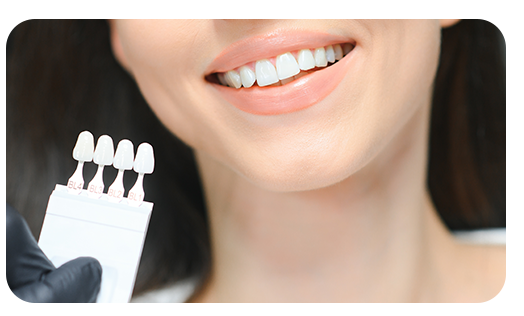
A lamine dental application involves the bonding of thin porcelain or composite resin layers to the front surface of the teeth. These veneers are used to correct the color, shape, size, and even minor misalignments of the teeth. The procedure is minimally invasive, meaning the natural structure of
🦷 Ideal Candidates for Lamine Dental Application:
However, lamine dental applications may not be suitable for everyone. Individuals with gum disease, cavities, or excessive teeth grinding habits should first address these issues before considering veneers.
🦷 Benefits of Lamine Dental Application:

🦷 Steps in Lamine Dental Application:
🦷 Aftercare Tips for Lamine Dental Application:
🌟 The lamine dental application offers a modern and effective solution for individuals with aesthetic concerns. It enhances both the appearance and function of your teeth, providing a beautiful and lasting smile. However, before making a decision, it is essential to consult with an experienced dentist and undergo a thorough examination. At LHC Clinic, we are dedicated to offering high-quality lamine dental applications that meet your unique needs and ensure a perfect, confident smile. 🌟
Laminate veneers may not be suitable for individuals with: • Severe tooth misalignment or bite issues • Insufficient enamel • Habitual teeth grinding (unless managed with a night guard) • Active gum disease A thorough dental examination is necessary to determine veneer suitability.
Porcelain Laminates:
• Long-lasting and stain-resistant
• High aesthetic value with natural translucency
• Require more tooth preparation
Composite Laminates:
• Applied directly in the dental chair
• More budget-friendly
• Easier to repair but less durable and more prone to discoloration
Which to Choose?
Porcelain laminates are preferred for long-term, high-aesthetic cases, while composite
laminates are a good option for quicker, more affordable smile improvements.
Teeth Grinding Habit: Its Relation to Stress and Solutions Teeth grinding, or bruxism, is closely linked to stress, anxiety, and tension. Solutions include: • Using a night guard • Stress-reduction practices (yoga, therapy, exercise) • Mindfulness techniques to become aware of daytime clenching Addressing the root causes of stress can significantly reduce grinding episodes.
Pregnancy can affect oral health due to hormonal changes, increasing the risk of: • Gum inflammation (pregnancy gingivitis) • Pregnancy tumors (harmless overgrowths on gums) • Enamel erosion from morning sickness Maintaining regular brushing, flossing, and safe dental check-ups during pregnancy is crucial for both mother and baby’s health.
A night guard is a custom-made device worn over teeth at night to: • Prevent tooth damage from grinding or clenching • Alleviate jaw tension and headaches related to bruxism Individuals with teeth grinding, jaw pain, or those who have had restorative dental work are often advised to use a night guard.